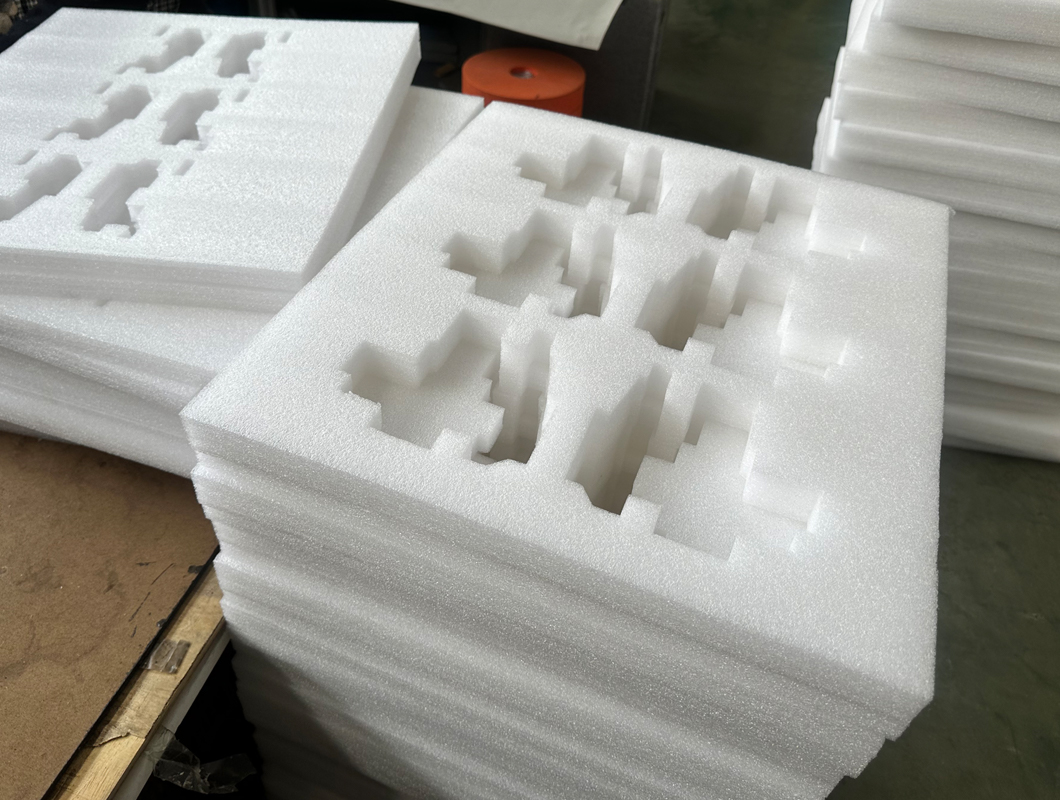
Every damaged shipment that needs replacement consumes additional packaging materials and transportation resources, increasing its overall environmental impact. Preventing damage from the outset is one of the most effective ways to support sustainable packaging practices. At TOPSUN, "getting it right the first time"is more than just a slogan—it reflects our commitment to quality, efficiency, and reducing waste.
The Environmental Impact of Damaged Products
Every damaged product represents a loss of materials, energy, and resources. Shipping goods already generates environmental costs through packaging consumption and freight-related carbon emissions. When a product is damaged in transit and must be replaced, additional materials and transportation are required, potentially increasing its overall environmental footprint significantly.
Damage rates can vary by shipping method, making transportation conditions an important consideration when developing an effective packaging strategy:
●Truckload (TL): Approximately 0.5%–2% of shipments
●Less-than-truckload (LTL): Approximately 2%–5%, often due to more frequent handling
●Intermodal shipping: Approximately 1%–3%, depending on the number of transfers
●Ocean freight: Approximately 2%–4%, depending on shipping conditions and handling practices
In addition to the environmental consequences, damaged products create substantial financial burdens. Processing a return for a damaged item can cost an estimated 20%–65% of the product's value, excluding additional transportation expenses.
Investing in properly designed protective packaging can help businesses minimize product damage, reduce unnecessary shipping, and avoid the waste associated with replacing damaged goods.
How TOPSUN Turns Foam Scrap into Reusable Materials
Reducing material waste starts with smart design and efficient manufacturing. At TOPSUN, careful engineering and precise fabrication help optimize foam usage, minimize production scrap, and get each project right the first time. We also implement recycling processes to give leftover foam materials a second life.
Open-cell foam scraps generated during production are compressed into bales weighing approximately 1,200 pounds and returned to the manufacturer for recycling. The material is ground up and repurposed into multicolored carpet padding, similar to the cushioning installed beneath carpets in residential and commercial spaces.
Closed-cell foam scraps, including expanded polypropylene (EPP) and expanded polyethylene (EPE), are also collected and processed for recycling. These materials are melted down and returned to the manufacturer for reuse.
By combining efficient foam fabrication with material recovery and recycling, TOPSUN helps reduce production waste and supports more resource-efficient manufacturing practices.
How to Choose the Right Packaging Foam
Choosing the right foam material is essential for protecting products during shipping, reducing damage-related costs, and minimizing waste from returns and replacements. The ideal material should match the product's physical characteristics, transportation conditions, and specific protection requirements.
When selecting packaging foam, consider the following factors:
●Product size, weight, and density: Ensure the foam provides sufficient support and cushioning without adding unnecessary packaging weight.
●Insulation and temperature control: Determine whether the product requires thermal insulation or protection against temperature fluctuations during transit.
●Environmental and mechanical exposure: Assess the product's sensitivity to abrasion, static electricity, heat, moisture, humidity, and vibration.
●Special performance requirements: Consider whether antimicrobial properties or other specialized features are necessary for the intended application.
Common Types of Foam Used in Protective Packaging
1. Expanded Polyethylene (EPE)
Expanded polyethylene (EPE) is a lightweight, closed-cell foam known for its cushioning and shock-absorbing properties. Its favorable strength-to-weight ratio makes it suitable for protecting products during storage and transportation. EPE also offers good resistance to water, oils, and many chemicals. Its soft surface can help protect Class A finishes from scratches and abrasions, making it a practical choice for packaging finished or delicate products.
2. Polyethylene (PE) Foam
Polyethylene (PE) foam is a closed-cell material commonly used to protect larger, heavier, or bulkier products that require firmer support. Its low water absorption and resistance to moisture, many chemicals, mold, and mildew make it suitable for demanding packaging environments. Depending on its density and formulation, PE foam can provide effective shock absorption, vibration damping, and thermal insulation while helping prevent products from shifting or sustaining impact damage during transit.
3. Expanded Polypropylene (EPP)
Expanded polypropylene (EPP) is a lightweight, closed-cell bead foam valued for its high strength-to-weight ratio, impact resistance, and resilience. It can withstand repeated impacts and recover its shape, making it particularly useful for reusable transport packaging and dunnage systems. Available in a range of densities, EPP can be tailored to different load-bearing and cushioning requirements. Its resistance to moisture and many chemicals further supports its use in industrial packaging and returnable shipping systems.
4. Polyurethane (PU) Foam
Polyurethane (PU) foam is a versatile material widely used in furniture, mattresses, insulation, automotive components, and protective packaging. Its lightweight structure and customizable softness and density allow it to accommodate products with different shapes and cushioning requirements. Depending on the formulation, PU foam can provide effective cushioning, shock absorption, and surface protection, making it suitable for packaging delicate items that require a softer, conformable material.
Custom Foam Fabrication Minimizes Material Waste
Sustainable packaging begins with custom-fabricated foam solutions that provide reliable product protection while using materials efficiently. At TOPSUN, our engineering team develops packaging designs that balance protective performance with material optimization, eliminating unnecessary foam wherever possible without compromising product safety.
Custom foam packaging is designed to fit a product's exact dimensions and contours, reducing excess packaging volume, unnecessary weight, and dimensional shipping costs. Precision cutting also helps minimize production scrap, ensuring more raw material is converted into functional packaging components rather than discarded as waste.
By combining thoughtful design with efficient fabrication processes, businesses can improve packaging performance, reduce material consumption, and support more sustainable shipping practices.
Growing Demand for Custom and Sustainable Packaging Solutions
The packaging industry is increasingly prioritizing sustainability as businesses respond to stricter packaging regulations, corporate environmental commitments, and the continued growth of e-commerce. According to Fact.MR's Recyclable Foam-in-Place Market report, demand for recyclable foam-in-place systems is supported by these evolving market trends.
Although no packaging solution can eliminate all carbon emissions associated with shipping, custom foam inserts offer a practical way to reduce environmental impact. By providing a closer fit and appropriate cushioning, they help protect products against damage during transit, reducing the need for replacement shipments, additional packaging materials, and waste.
For businesses seeking to balance product protection, shipping efficiency, and sustainability goals, custom foam packaging is a valuable part of a more resource-efficient supply chain.
Contact the TOPSUN team to evaluate your existing packaging solutions and discover ways to improve product protection, lower shipping costs, and achieve your sustainability goals.

 English
 العربية
 Français
 Русский
 Español
 Português
 Deutsch
 italiano
 日本語
 한국어
 Nederlands
 Tiếng Việt
 ไทย
 Polski
 Türkçe
 ភាសាខ្មែរ
 Bahasa Melayu
 ဗမာစာ
 தமிழ்
 Filipino
 Bahasa Indonesia
 magyar
 Română
 Čeština
 қазақ
 Српски
 हिन्दी
 فارسی
 Kiswahili
 Norsk
 Svenska
 українська
 Ελληνικά
 Suomi
 עברית
 Latine
 Dansk
 اردو
 বাংলা
 Afrikaans
 नेपाली
 Oʻzbekcha
 Azərbaycan dili
 Български
 guarani
 Hausa
 Kurdî
 Kurdî
 Lietuvių
 Wikang Tagalog
 isiZulu


