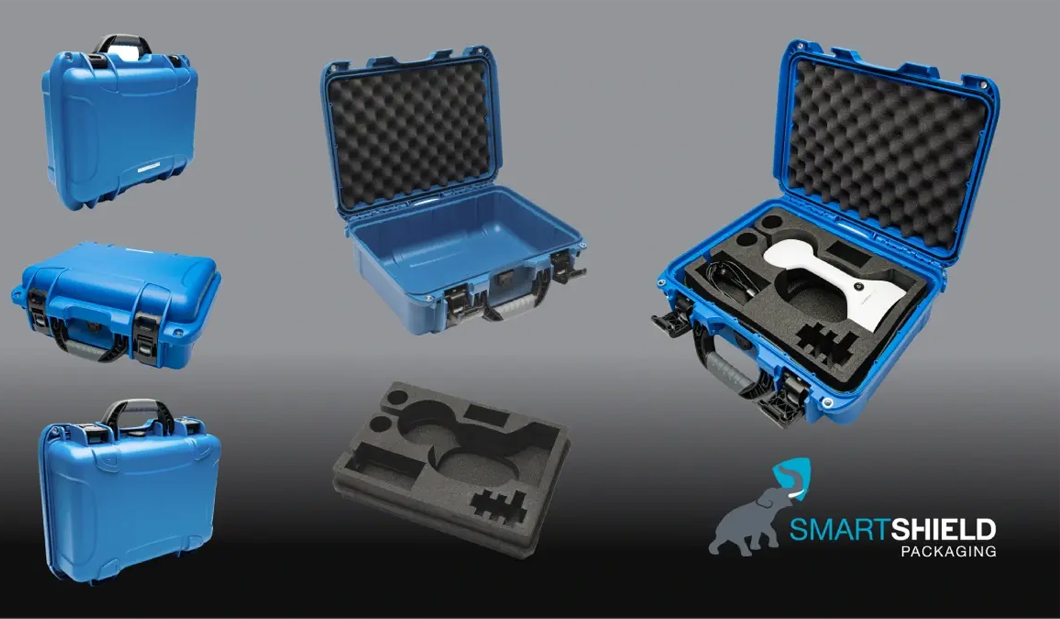
Medical devices require more than assumptions when it comes to shipping protection. A packaging solution that appears secure may not consistently withstand the demands of real-world distribution environments.
Throughout the supply chain, products are subjected to a variety of stresses, including drops, vibration, compression, stacking, and repeated handling. These conditions can expose weaknesses that are not apparent during the design phase. For fragile, high-value, or heavy medical devices, packaging validation is essential for confirming that products remain protected during storage, transportation, and handling.
Because even minor damage can have significant consequences, packaging performance should be verified through objective testing and proven results rather than visual assessment alone.
Common Issues Revealed Through Packaging Validation
1. Hidden Design Vulnerabilities
Packaging validation often identifies weaknesses that may be overlooked during design reviews. Examples include unsupported edges, concentrated pressure points, inadequate cushioning around sensitive components, weak suspension areas, and unintended contact between the product and packaging materials.
Detecting these vulnerabilities early allows manufacturers to refine packaging designs before products enter the distribution network.
2. Variability in Packaging Processes
Many packing operations rely on manual procedures, introducing the potential for inconsistency. Different employees may use varying amounts of cushioning material, position products differently within the package, or follow procedures with differing levels of precision. Temporary workers and newly trained personnel may also deviate from established packing methods.
Even when a packaging design is technically sound, these variations can affect its ability to provide consistent protection across shipments.
3. Distribution and Transportation Hazards
Packages encounter numerous challenges as they move through the supply chain. They may be dropped during handling, stacked under heavy loads, exposed to compression forces, subjected to continuous vibration during transit, or experience fluctuating temperatures and environmental conditions.
In many cases, a shipment passes through multiple facilities and is handled by several individuals before reaching its final destination. Packaging validation helps ensure that the protective system can withstand these real-world distribution hazards and maintain product integrity throughout the journey.
What Packaging Validation Should Assess
1. Shock and Impact Resistance
A key objective of packaging validation is to determine how effectively a product is protected from impacts and other physical stresses encountered during distribution.
Testing may evaluate packaging performance under conditions such as drops, vibration, compression, stacking, and routine handling events. These assessments help manufacturers understand how well the packaging system can protect the product throughout the shipping process.
Because distribution environments can be unpredictable, packaging should be designed and validated to withstand the conditions products are likely to encounter in real-world transit.
2. Product Stability Within the Package
Packaging validation helps verify that products remain properly secured throughout transportation and handling. Testing can reveal whether a product shifts, rotates, or changes position under specific conditions, as well as whether the packaging performs consistently regardless of orientation or handling methods.
In many applications, the goal is to keep the product firmly immobilized to minimize the risk of damage. In others, controlled movement may be intentionally incorporated into the packaging design to help absorb or distribute forces. Regardless of the approach, validation is essential to confirm that the packaging performs as intended under expected shipping conditions.
3. Consistency Across Manufacturing and Production Runs
Effective packaging validation should also evaluate whether packaging materials, dimensions, and product fit remain consistent across multiple production runs. As manufacturing volumes increase, even minor variations can influence overall packaging performance.
A dependable packaging system should provide repeatable, predictable protection over time—not just during prototype testing or initial production. By validating consistency throughout the manufacturing process, companies can reduce risk and maintain reliable product protection across every shipment.
Foam: A Data-Driven Packaging Solution
Foam is one of the most thoroughly tested and well-documented packaging materials available. Extensive performance data allows manufacturers to evaluate how different foam types, densities, and cushioning characteristics respond to specific product weights, impact levels, and distribution environments.
By leveraging this data, packaging engineers can make informed design decisions before a solution reaches production. This enables more accurate packaging development, streamlined testing, and greater confidence during the validation process, helping ensure consistent product protection throughout the supply chain.
TOPSUN partners with medical device manufacturers to develop protective packaging solutions that are validated through testing, performance data, and real-world distribution requirements. From material selection and prototype development to validation support and full-scale production, our team helps create packaging systems engineered to deliver consistent, reliable protection throughout the supply chain.

 English
 العربية
 Français
 Русский
 Español
 Português
 Deutsch
 italiano
 日本語
日本語 한국어
한국어 Nederlands
 Tiếng Việt
 ไทย
ไทย Polski
 Türkçe
 ភាសាខ្មែរ
 Bahasa Melayu
 ဗမာစာ
ဗမာစာ தமிழ்
தமிழ் Filipino
 Bahasa Indonesia
 magyar
 Română
 Čeština
 қазақ
қазақ Српски
 हिन्दी
 فارسی
فارسی Kiswahili
 Norsk
Norsk Svenska
 українська
 Ελληνικά
 Suomi
Suomi עברית
עברית Latine
 Dansk
Dansk اردو
اردو বাংলা
বাংলা Afrikaans
 नेपाली
 Oʻzbekcha
 Azərbaycan dili
 Български
 guarani
 Hausa
Hausa Kurdî
Kurdî Kurdî
Kurdî Lietuvių
 Wikang Tagalog
 isiZulu


