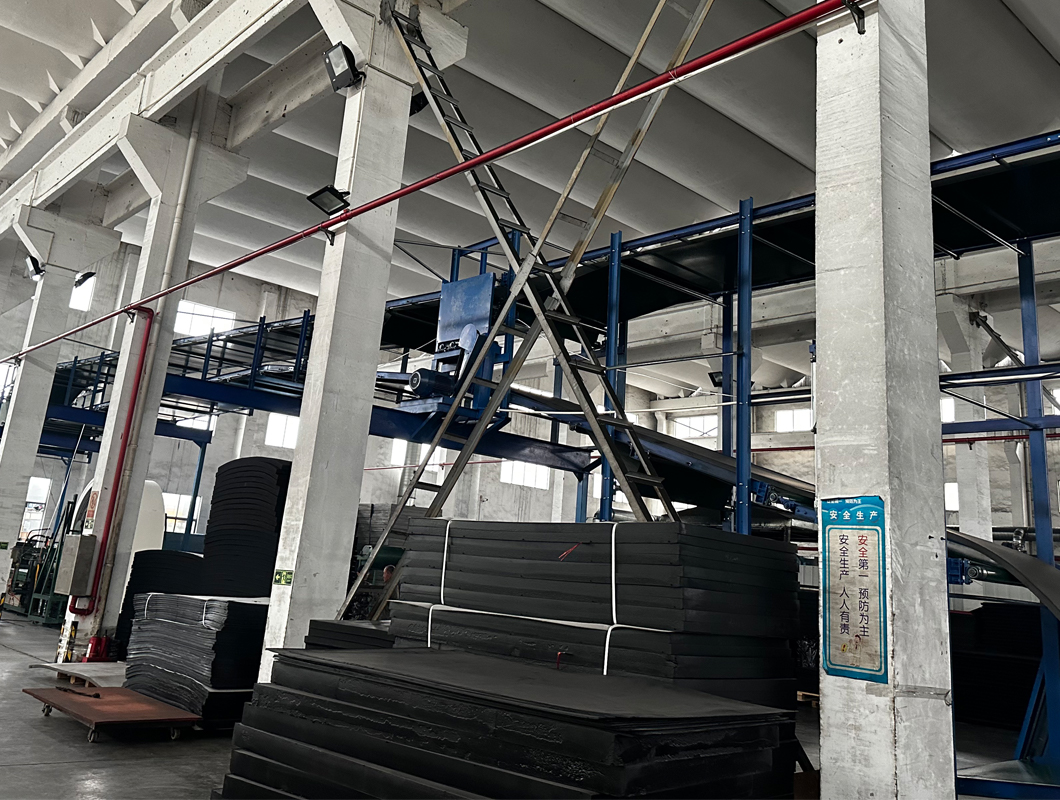
Polyethylene foam is one of the most versatile and widely used materials in the foam industry, yet it often receives less recognition than more familiar materials such as polystyrene or polyurethane. Many people immediately recognize rigid"Styrofoam"packaging or the soft cushioning found in upholstery foam, but polyethylene quietly supports a wide range of essential functions. It provides flotation, absorbs impact, insulates structures, and protects valuable products during handling and transport. Whether visible or not, polyethylene foam plays a role in everyday life across commercial, industrial, and residential environments.
Closed-Cell Structure and Core Performance Advantages
A defining characteristic of polyethylene foam is its closed-cell structure. Rather than having interconnected cells that allow air and moisture to pass through, polyethylene foam consists of millions of sealed cells. This structure produces a material that is water-resistant, buoyant, and mechanically durable, allowing it to perform reliably in demanding environments. Its resistance to moisture, mold, mildew, and bacteria makes it well suited for marine uses, long-term packaging, and hygienic storage. In addition, polyethylene's resistance to many solvents, fuels, and petroleum-based substances broadens its usefulness in industrial applications.
Although relatively firm compared to some foams, polyethylene still offers excellent resilience. The material compresses when subjected to load but rebounds to its original shape once the pressure is removed. This ability to absorb impact while maintaining structural integrity makes polyethylene foam effective for product protection, load support, and applications that involve repeated shocks or vibration.
Enhancing Performance Through Material Additives
Polyethylene foam is produced by heating polymer compounds and introducing blowing agents that create its closed-cell structure. During manufacturing, additives can be blended directly into the material to achieve specialized performance characteristics. For example, anti-static polyethylene foam is engineered to dissipate electrostatic charges, making it suitable for packaging, transporting, and storing sensitive electronic components.
Because these additives are integrated into the foam during production rather than applied as surface treatments, their performance remains consistent throughout the life of the material. Colorants may also be introduced to support branding or visual identification systems. In addition, polyethylene foam is available in a range of densities. Higher-density grades typically feature smaller cell structures, greater rigidity, and improved load-bearing capacity.
Forms, Formats, and Structural Configurations
The versatility of polyethylene foam becomes even more evident through the wide range of formats in which it is produced. Sheets and planks are among the most commonly used forms, supporting applications such as industrial packaging inserts, tool case interiors, thermal barriers, and shock-absorbing transport systems. Their structural rigidity allows for clean cutting and precise fabrication, which is essential when producing custom protective packaging.
For applications requiring additional thickness, sheets can be laminated together to create larger, more robust components. These laminated structures are often used in flotation devices, heavy-duty padding, and specialized furniture elements. Polyethylene's natural resistance to moisture also makes it effective as a thermal and vapor barrier, particularly in construction and building applications.
Rolls, Cylinders, and Specialized Industrial Applications
When produced in thinner gauges, polyethylene foam can be manufactured in lightweight, flexible rolls. These rolls are commonly used for pipe insulation, underfloor moisture barriers, foundation sealing, and protective wrapping. Because they provide insulation and protection without adding significant bulk, they offer a practical and cost-efficient solution for construction and materials handling.
Cylindrical forms of polyethylene are also widely recognized, often seen as pool noodles. Beyond recreational uses, however, these cylinders serve important professional functions as bolsters, flotation supports, and protective padding in both industrial and recreational equipment. On a smaller scale, polyethylene foam is extruded into narrow tubing known as backer rod, which is widely used in concrete expansion joints. Backer rod helps control sealant depth, reduces material consumption, and allows structures to expand and contract properly as temperatures change.
Polyethylene foam is available in both physically cross-linked and chemically cross-linked forms. Chemically cross-linked polyethylene is produced through bonding that occurs under controlled heat or pressure, creating a material with enhanced durability, a more uniform cell structure, and stronger resistance to compression.
Physically cross-linked polyethylene forms its bonds through radiation-based processing, which provides good structural consistency while allowing greater flexibility during manufacturing. Although it is generally slightly less rigid than chemically cross-linked foam, it remains well suited for many cushioning and fabrication applications.Each cross-linked variation offers distinct advantages, and the appropriate choice depends on the performance requirements and conditions of the final application.
A Material With Extensive Application Potential
The wide range of polyethylene foam variations—combined with its durability, resistance to environmental factors, and ability to be customized—makes it one of the most versatile foam materials in use today. From protective packaging and flotation to construction, insulation, and industrial protection, polyethylene foam consistently performs in environments where reliability and longevity are critical. Whether used in personal projects, commercial manufacturing, or large-scale industrial operations, there is a polyethylene formulation designed to meet demanding performance requirements.

 English
 العربية
 Français
 Русский
 Español
 Português
 Deutsch
 italiano
 日本語
日本語 한국어
한국어 Nederlands
 Tiếng Việt
 ไทย
ไทย Polski
 Türkçe
 ភាសាខ្មែរ
 Bahasa Melayu
 ဗမာစာ
ဗမာစာ தமிழ்
தமிழ் Filipino
 Bahasa Indonesia
 magyar
 Română
 Čeština
 қазақ
қазақ Српски
 हिन्दी
 فارسی
فارسی Kiswahili
 Norsk
Norsk Svenska
 українська
 Ελληνικά
 Suomi
Suomi עברית
עברית Latine
 Dansk
Dansk اردو
اردو বাংলা
বাংলা Afrikaans
 नेपाली
 Oʻzbekcha
 Azərbaycan dili
 Български
 guarani
 Hausa
Hausa Kurdî
Kurdî Kurdî
Kurdî Lietuvių
 Wikang Tagalog
 isiZulu


