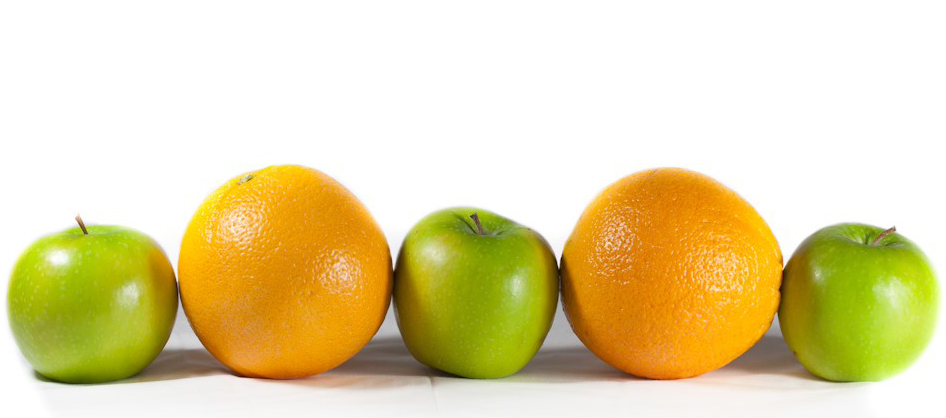
Not all foam materials perform the same. If you've explored packaging solutions, protective equipment, or even craft supplies, you've likely come across EVA foam and polyurethane (PU) foam. While they may appear similar at a glance, they serve very different purposes and offer distinct performance characteristics.
So, what sets EVA foam apart from PU foam—and how do you choose the right one for your application?
As foam packaging specialists, we understand the strengths and limitations of each material. Read on to learn the key differences between EVA and PU foam, along with our expert perspective on which option is best suited for packaging applications.
What Is EVA Foam?
EVA foam, or ethylene-vinyl acetate, is a dense, semi-rigid material with a rubber-like feel. It offers a balance of flexibility and firmness and is typically produced in sheet form. EVA foam is commonly used in applications such as footwear, floor mats, crafts, and surfboard.
Working with EVA foam often involves cutting, shaping, and applying heat to mold it into the desired form. Once cooled, it retains its shape well, making it a reliable material for both functional and creative uses.

Eva Foam surfboard production process
EVA foam performs well in applications that involve repeated, moderate weight—such as footwear and toys—as well as in creative projects where it can be shaped into specific forms. However, these same characteristics can limit its effectiveness in packaging. Under the stresses of shipping and handling, EVA foam may compress, deform, or even tear, making it less reliable for protecting items in transit.
What Is Polyurethane Foam?
Polyurethane foam is produced through a chemical reaction between polyols and isocyanates. It is available in both open-cell and closed-cell structures, which significantly influence its performance. In packaging, polyurethane foam is most often open-cell, giving it a softer, more flexible, and highly compressible nature that is well-suited for cushioning delicate items.
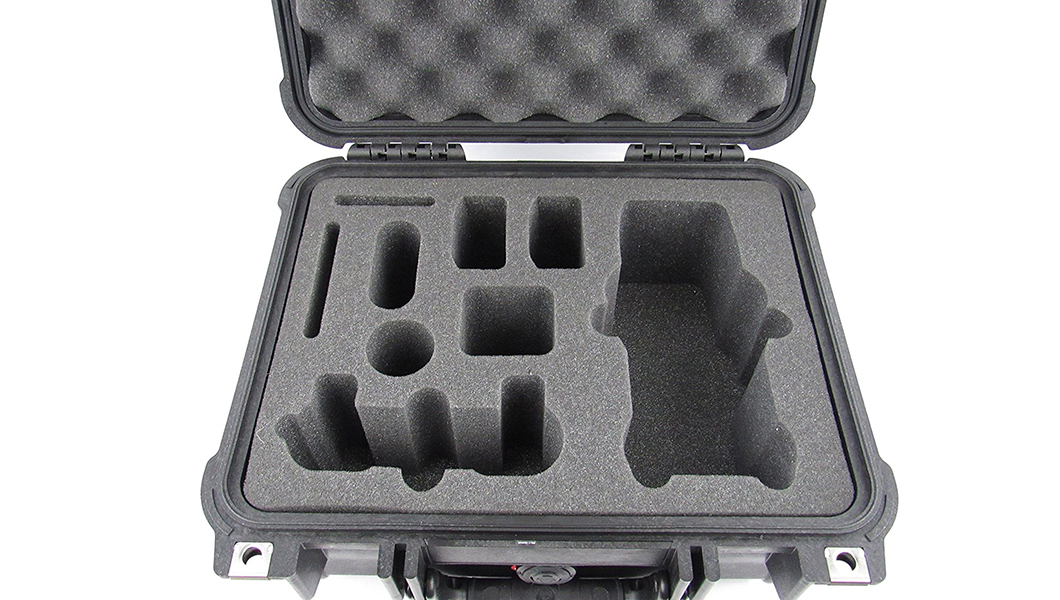
PU Foam production process
Benefits of Polyurethane Foam in Packaging
Polyurethane foam is widely used in packaging due to its versatile and user-friendly properties. It offers a soft, cushioned feel that is ideal for handling delicate items, while its high flexibility allows it to adapt to a variety of shapes and products.
From a sustainability standpoint, polyurethane foam can incorporate recycled post-industrial waste and may also be recyclable after use, depending on the formulation. It is easy to fabricate and cut into custom designs, making it suitable for tailored packaging solutions. Additionally, it readily accepts pressure-sensitive adhesives (PSA), allowing fabrics or films to be applied to its surface for enhanced functionality.
Because of these advantages, polyurethane foam remains one of the most commonly used materials for protective packaging applications.
Polyurethane Foam Sheets
While EVA foam is typically supplied in thicker blocks that are cut to size, polyurethane foam is also available in thin sheet form for wrapping and surface protection. This makes it especially useful for packaging applications where flexibility and ease of handling are important.
In addition, polyethylene foam sheets are often preferred for transit packaging, as they provide effective cushioning and surface protection when wrapping products.
Key Benefits
●Safe for use with sensitive metals when protected with a 1 mil film, preventing tarnishing or corrosion
●Highly breathable, helping reduce moisture buildup and inhibit mildew
●Flexible and easy to handle during processing and application
●Excellent buoyancy, making it suitable for flotation and containment uses
●Tear-resistant for improved durability
●Delivers strong cushioning and compression resistance
●Effectively absorbs shock and reduces vibration
●Resilient and capable of returning to shape after compression
●Reusable and can be recycled into new foam products
●Resistant to water, fungus, and dust for long-term performance
EVA Foam vs. Polyurethane Foam: Comparison
Feature | EVA Foam | Polyurethane Foam (PU) |
Density | Medium to High | Low to Medium |
Texture | Smooth, foam | Softer, spongy |
Flexibility | High flexibility and bounce back | More compressible than flexible |
Common Uses |
Sports props, insoles,daily necessities,toys
| Cushions, insulation, packaging material |
Which Foam Is Better for Packaging?
For protective packaging applications, polyurethane (PU) foam is generally the more practical and versatile option. Its lightweight structure, flexibility, and excellent cushioning properties make it well-suited for safeguarding a wide variety of products without adding excess weight or cost.
EVA foam, on the other hand, is better suited for consumer-facing products and creative applications. Its higher density and smooth finish make it ideal for cutting, shaping, and forming into detailed designs that can replicate other materials at a lower weight. However, these same characteristics make EVA less effective for absorbing impact during transit, limiting its use in protective packaging.
Find the Right Solution with a Packaging Expert
As a trusted name in the packaging industry, Topsun offers a wide range of customizable foam solutions to meet diverse requirements. With extensive material options and fabrication capabilities, we help you identify the most effective foam for your specific packaging needs. Reach out today to explore the best solution for your application.

 English
 العربية
 Français
 Русский
 Español
 Português
 Deutsch
 italiano
 日本語
日本語 한국어
한국어 Nederlands
 Tiếng Việt
 ไทย
ไทย Polski
 Türkçe
 ភាសាខ្មែរ
 Bahasa Melayu
 ဗမာစာ
ဗမာစာ தமிழ்
தமிழ் Filipino
 Bahasa Indonesia
 magyar
 Română
 Čeština
 қазақ
қазақ Српски
 हिन्दी
 فارسی
فارسی Kiswahili
 Norsk
Norsk Svenska
 українська
 Ελληνικά
 Suomi
Suomi עברית
עברית Latine
 Dansk
Dansk اردو
اردو বাংলা
বাংলা Afrikaans
 नेपाली
 Oʻzbekcha
 Azərbaycan dili
 Български
 guarani
 Hausa
Hausa Kurdî
Kurdî Kurdî
Kurdî Lietuvių
 Wikang Tagalog
 isiZulu


