Closed-Cell Silicone Foam Rubber Sheet for Sealing and Gaskets
Topsun silicone foam rubber sheet is a soft and compressible closed-cell material for high-temperature sealing, gasketing, cushioning, vibration damping, thermal insulation and electrical insulation applications.
The current silicone foam range covers densities from 0.14 to 0.55 g/cm³, allowing engineers and buyers to select different compression-force levels according to sealing pressure, flange design, cushioning load and finished-part requirements.
Silicone foam can be supplied as sheets, strips, rolls, pads, gaskets, tapes and custom die-cut components. Topsun can provide cutting, slitting, lamination, adhesive backing and custom converting according to customer drawings, samples and application requirements.
Silicone Foam Rubber Product Information
| Item | Product Information |
| Material | Silicone Foam Rubber / Silicone Sponge |
| Structure | Closed-Cell Foam with Smooth Surface |
| Density Range | 0.14–0.55 g/cm³ |
| Current Product Thickness | 0.6–20.0 mm ±10% |
| Temperature Range | -60°C to 200°C for the Silicone Foam Described on This Page |
| 25% Compression Force Deflection | 5±2 to 145±30 kPa Depending on Density |
| Compression Set | ≤5.0% in the Listed Performance Table |
| Low Temperature Embrittlement | -55°C, Pass |
| Environmental Test | RoHS and REACH, Pass in the Listed Performance Table |
| Flame Resistance | V-0 as Listed in the Current Performance Table |
| Available Forms | Sheet, Roll, Strip, Pad, Gasket, Tape and Custom Die-Cut Part |
| Custom Processing | Cutting, Slitting, Lamination, Die Cutting and Adhesive Backing |
Key Features of Silicone Foam Rubber
Wide density range: 0.14–0.55 g/cm³ grades provide different compression-force and mechanical-property options.
Flexible sealing: compressible silicone foam conforms to mating surfaces for suitable gasket and enclosure-sealing applications.
Low compression set: the listed grades show compression set values of ≤5.0%, supporting applications that require compression recovery.
High and low temperature performance: suitable for applications where conventional foam materials may not provide sufficient temperature stability.
Low-temperature flexibility: the listed grades pass the -55°C low-temperature embrittlement test.
Thermal insulation: listed thermal conductivity ranges from approximately 0.05 to 0.10 W/(m·K), depending on density.
Electrical insulation: the listed silicone foam grades provide dielectric strength and high volume resistivity for suitable electrical applications.
Low water absorption: listed grades show water absorption values of ≤5% or ≤10%, depending on density.
Weathering resistance: silicone materials are suitable for many applications involving UV, ozone and outdoor exposure.
Custom converting: sheets can be cut, laminated, adhesive-backed and die-cut into finished gaskets, pads and seals.
Foamed Silicone Typical Performance Parameters
The table below shows the current listed performance values for different silicone foam densities. Final material selection should be based on the actual density, thickness, compression, temperature and application requirements.
| Foamed Silicone Typical Performance Parameters |
Density
(g/cm³) | 25% Compression Force Deflection
(kPa) | Tensile Strength
(MPa) | Elongation at Break
(%) | Compression Set
(%) | Water Absorption
(%) | Low Temperature Embrittlement | Environmental Test | Flame Resistance | Dielectric Strength
(kV/mm) | Volume Resistivity
(Ω·cm) | Thermal Conductivity
W/(m·K) |
| 0.14±0.04 | 5±2 | ≥0.1 | ≥70 | ≤5.0 | ≤10.0 | -55°C
Pass | RoHS, REACH
Pass | V-0 | ≥2.0 | ≥1.0×10¹⁴ | 0.05±0.01 |
| 0.18±0.04 | 10±4 | ≥0.1 | ≥70 | ≤5.0 | ≤10.0 | -55°C
Pass | RoHS, REACH
Pass | V-0 | ≥2.0 | ≥1.0×10¹⁴ | 0.05±0.01 |
| 0.22±0.04 | 20±10 | ≥0.15 | ≥70 | ≤5.0 | ≤5.0 | -55°C
Pass | RoHS, REACH
Pass | V-0 | ≥2.0 | ≥1.0×10¹⁴ | 0.06±0.01 |
| 0.26±0.04 | 35±10 | ≥0.2 | ≥80 | ≤5.0 | ≤5.0 | -55°C
Pass | RoHS, REACH
Pass | V-0 | ≥2.2 | ≥1.0×10¹⁴ | 0.07±0.01 |
| 0.32±0.04 | 45±10 | ≥0.3 | ≥80 | ≤5.0 | ≤5.0 | -55°C
Pass | RoHS, REACH
Pass | V-0 | ≥2.2 | ≥1.0×10¹⁴ | 0.07±0.01 |
| 0.37±0.04 | 75±20 | ≥0.3 | ≥80 | ≤5.0 | ≤5.0 | -55°C
Pass | RoHS, REACH
Pass | V-0 | ≥2.5 | ≥1.0×10¹⁴ | 0.08±0.01 |
| 0.42±0.04 | 110±20 | ≥0.4 | ≥85 | ≤5.0 | ≤5.0 | -55°C
Pass | RoHS, REACH
Pass | V-0 | ≥3.5 | ≥1.0×10¹⁴ | 0.09±0.01 |
| 0.50±0.04 | 145±30 | ≥0.5 | ≥90 | ≤5.0 | ≤5.0 | -55°C
Pass | RoHS, REACH
Pass | V-0 | ≥4.0 | ≥1.0×10¹⁴ | 0.10±0.01 |
| 0.55±0.04 | 110±20 | ≥0.7 | ≥160 | ≤5.0 | ≤5.0 | -55°C
Pass | RoHS, REACH
Pass | V-0 | ≥4.0 | ≥1.0×10¹⁴ | 0.10±0.01 |
The flame-resistance column above reproduces the current listed V-0 performance. Projects requiring a particular flame-test standard or certification should confirm the applicable test method, material grade, thickness and supporting documentation before ordering.
How Density and Compression Force Affect Silicone Foam Selection
Density alone does not determine whether a silicone foam is suitable for a gasket. Compression force is also important because it determines how much force is required to compress the material to a defined percentage.
Lower-density grades in the current range provide lower 25% compression-force values, while higher-density grades generally provide higher compression resistance and mechanical strength.
| Density | 25% Compression Force | Selection Consideration |
| 0.14±0.04 g/cm³ | 5±2 kPa | Very low compression-force applications where soft conformability is important. |
| 0.18±0.04 g/cm³ | 10±4 kPa | Soft sealing and cushioning applications. |
| 0.22±0.04 g/cm³ | 20±10 kPa | Soft-to-medium compression requirements. |
| 0.26±0.04 g/cm³ | 35±10 kPa | Medium compression sealing and cushioning. |
| 0.32±0.04 g/cm³ | 45±10 kPa | Medium-force gasket and support applications. |
| 0.37±0.04 g/cm³ | 75±20 kPa | Firmer sealing and support applications. |
| 0.42±0.04 g/cm³ | 110±20 kPa | Higher compression-force applications. |
| 0.50±0.04 g/cm³ | 145±30 kPa | Higher-density applications requiring increased compression resistance. |
| 0.55±0.04 g/cm³ | 110±20 kPa | High-density grade with the tensile and elongation values shown in the technical table. |
Final gasket performance also depends on foam thickness, compression ratio, flange stiffness, fastening method, surface condition and service temperature. Buyers should therefore select the material using the complete application rather than density alone.
What Is Closed-Cell Silicone Foam?
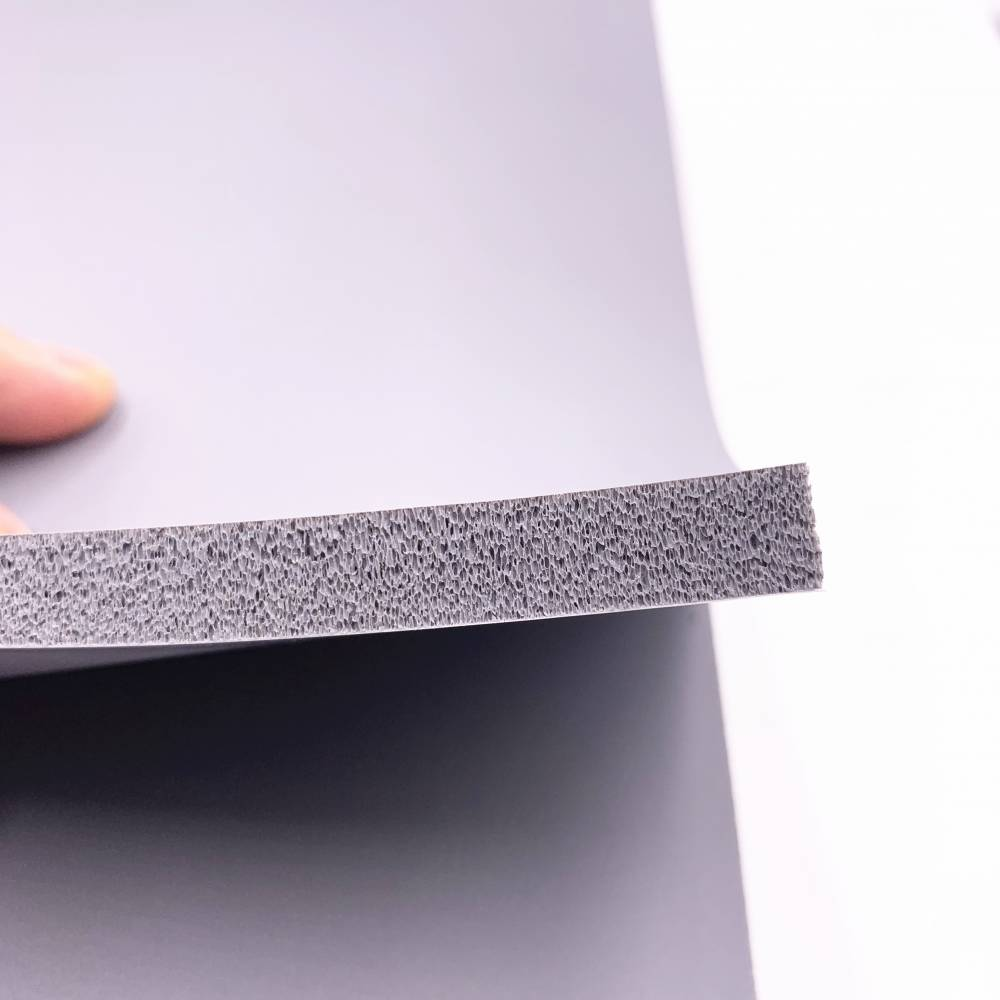
Silicone foam is a flexible cellular rubber material used where applications require a combination of compression, sealing, temperature resistance and long-term material stability.
The silicone foam described on this page has a closed-cell structure and smooth external surface. This construction is suitable for many gasket, insulation and enclosure-sealing applications where open-cell foam would not provide the same type of barrier performance.
The listed material can operate across a wide temperature range from approximately -60°C to 200°C. Actual service performance depends on the selected grade, thickness, compression, exposure duration and complete application environment.
Silicone Foam for High-Temperature Gaskets and Seals
Silicone foam can be converted into gaskets and seals for equipment that requires flexibility and compression performance across a broad temperature range.
Typical applications include electrical enclosures, equipment housings, industrial panels, lighting fixtures, HVAC assemblies, automotive components and other interfaces where a compressible seal is required.
Gasket designers should specify the intended compression, flange gap, fastening method, working temperature and required environmental performance before selecting a density and thickness.
Silicone Foam for Thermal Insulation
The listed silicone foam grades have thermal conductivity values from approximately 0.05 to 0.10 W/(m·K), depending on density.
Silicone foam can therefore be evaluated for thermal insulation, heat shielding and thermal-barrier assemblies where flexibility and temperature stability are also required.
Final insulation performance depends on thickness, compression, surrounding materials, temperature difference and the complete assembly.
Silicone Foam for Electrical Insulation
The current performance table lists dielectric strength from ≥2.0 to ≥4.0 kV/mm depending on density, together with volume resistivity of ≥1.0×10¹⁴ Ω·cm.
These properties allow the material to be evaluated for suitable electrical enclosure seals, insulation pads, equipment interfaces and other applications requiring a compressible electrically insulating material.
Electrical applications should be designed using the required working voltage, material thickness, compression and applicable equipment requirements rather than relying on a single material value alone.
Silicone Foam Pads for Battery and Electrical Enclosures
Silicone foam can be converted into pads, strips and gaskets for suitable battery housings, electrical cabinets and electronic equipment where cushioning, insulation or sealing is required.
Density and compression force should be selected according to available gap, required compression, supported load and the mechanical design of the enclosure.
Where an electrical or battery project requires a specific flame, dielectric, thermal or environmental standard, provide the required specification so the appropriate material grade can be evaluated.
Anti-Slip Silicone Foam Pad Applications
Silicone foam can also be converted into soft pads used between surfaces where cushioning and resistance to movement are required.
Actual anti-slip performance depends on the foam surface, substrate material, contact pressure, surface contamination, temperature and whether adhesive backing is used.
For applications requiring a defined slip-resistance value or coefficient of friction, the finished pad should be tested against the actual mating surface and service conditions.
Silicone Foam Rubber Applications
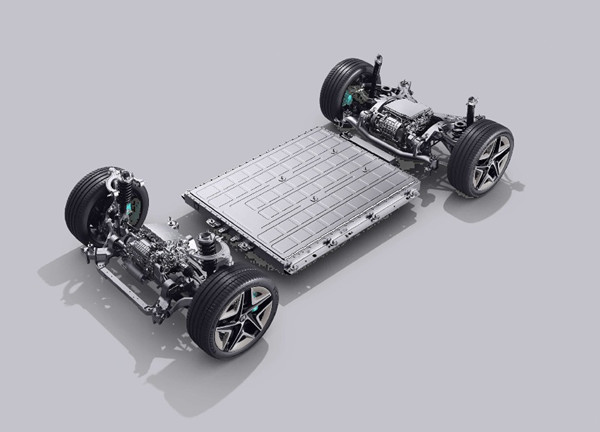
Automotive and transportation: sealing, cushioning, thermal protection and suitable vibration-control components.
Aerospace applications: lightweight sealing and insulation components where project-specific requirements are defined.
Marine applications: suitable gasketing, thermal barriers and equipment protection.
Electrical enclosures: compressible seals, insulation pads and equipment interfaces.
Battery systems: suitable cushioning, sealing and insulating pads according to the required system design.
HVAC: seals and pads where temperature resistance and compression recovery are required.
Lighting equipment: enclosure seals and insulation components.
Industrial equipment: custom gaskets, pads, strips, thermal insulation and vibration-damping components.
Typical Silicone Foam Product Forms
| Product Form | Typical Application |
| Silicone Foam Sheet | General gasket fabrication, thermal insulation and custom converting. |
| Silicone Foam Roll | Continuous converting, slitting and strip production. |
| Silicone Foam Strip | Enclosure sealing, spacing and cushioning. |
| Die-Cut Gasket | Custom enclosure, equipment and industrial seals. |
| Silicone Foam Pad | Cushioning, thermal insulation, electrical insulation and anti-slip applications. |
| Adhesive-Backed Foam | Positioning and installation of suitable gaskets, pads and strips. |
| Laminated Silicone Foam | Composite insulation and protection components where an additional facing is required. |
Custom Silicone Foam Gaskets and Die-Cut Parts
Topsun can convert silicone foam rubber into sheets, strips, pads, gaskets, tapes and custom die-cut parts according to customer drawings or samples.
| Customization Item | Available Requirement |
| Density | Select according to compression force, mechanical strength and application. |
| Thickness | Select according to available gap, required compression and finished-part design. |
| Width and Length | Customized according to sheet, strip or roll requirements. |
| Shape | Custom gasket, pad, strip and die-cut component geometry. |
| Adhesive Backing | Pressure-sensitive adhesive and release liner according to application requirements. |
| Lamination | Additional foam, film, fabric or facing where suitable for the project. |
| Packaging | Customized according to sheet, roll or finished-component requirements. |
Selecting Adhesive-Backed Silicone Foam
Pressure-sensitive adhesive can simplify positioning and assembly of silicone foam gaskets, pads and strips.
The adhesive should be selected according to the bonding substrate, surface condition, operating temperature and expected service environment. The temperature capability of the adhesive may differ from the temperature capability of the silicone foam itself.
Buyers should therefore provide the mating surface material and working conditions when requesting adhesive-backed silicone foam.
How to Select Silicone Foam Rubber
Application: sealing, cushioning, insulation, electrical protection, vibration damping or anti-slip pad.
Working temperature: minimum, normal and maximum service temperatures.
Density: select the appropriate foam grade according to required mechanical performance.
Compression force: define the required force at the intended gasket compression.
Compression ratio: confirm how much the foam will be compressed after installation.
Thickness: match the available gap and required sealing range.
Compression set: consider long-term recovery requirements.
Flame requirement: provide the required test method, rating and material thickness.
Electrical requirement: provide dielectric or insulation requirements where applicable.
Environmental requirement: specify moisture, UV, ozone or outdoor exposure where relevant.
Adhesive backing: identify the bonding substrate and service temperature.
Part geometry: provide drawing, dimensions or physical sample for custom components.
Estimated quantity: provide prototype, trial and production requirements where available.
Topsun Silicone Foam Processing Capabilities
Topsun provides foam converting according to customer dimensions, drawings, samples and finished-part requirements.
1. Cutting: silicone foam sheets, rolls, strips and suitable parts can be cut according to customer dimensions.
2. Slicing: foam materials can be processed according to required thickness specifications where applicable.
3. Lamination: hot-melt film, flame and pressure-sensitive adhesive lamination are available for suitable foam products.
4. Laser Cutting: suitable foam shapes can be processed according to digital drawings.
5. Die Cutting: custom gaskets, seals, pads and inserts can be manufactured according to customer designs.
6. Compression Molding: three-dimensional foam and foam-composite parts can be manufactured for suitable projects.
7. Engraving: suitable foam products can be processed for customized cavities and inserts.
8. Silk-Screen Printing: logos and patterns can be printed on suitable foam surfaces.
9. Adhesive Backing: adhesive and release liner can be applied to produce self-adhesive silicone foam gaskets, pads and strips.
Other Foam Materials Available from Topsun
Topsun supplies silicone foam together with EVA foam, PE foam, XPE foam, IXPE foam, CR foam, EPDM foam, neoprene foam, SBR foam, NBR foam, NBR/PVC foam and micro-cell soft PVC foam in sheet, roll and custom converted forms.
About Topsun Foam
Topsun supplies silicone foam rubber and other foam materials for sealing, cushioning, thermal insulation, electrical equipment, automotive and industrial applications. Custom parts can be evaluated according to drawings, samples, material requirements and operating conditions.
Our facility is located in Changzhou City, Jiangsu Province, China, with convenient access to Shanghai Port for international shipments.
Silicone Foam Rubber FAQ
What is silicone foam rubber?
Silicone foam rubber is a compressible cellular silicone material used for sealing, gasketing, cushioning, thermal insulation, vibration damping and electrical insulation applications.
Is the silicone foam on this page closed cell?
Yes. The silicone foam described on this page has a closed-cell structure and smooth outer surface.
What density range is available?
The current technical table covers densities from 0.14±0.04 to 0.55±0.04 g/cm³.
What thickness is available?
The current product specification lists thickness from 0.6 to 20.0 mm with ±10% tolerance. Confirm the required thickness and availability when requesting a quotation.
What temperature range can the silicone foam handle?
The silicone foam described on this page is listed for approximately -60°C to 200°C. Final performance depends on material grade, thickness, compression, exposure time and application conditions.
What does 25% compression force deflection mean?
It indicates the force required to compress the foam by 25% under the applicable test conditions. It is useful when comparing how soft or firm different silicone foam grades are for gasket and cushioning applications.
Is silicone foam suitable for high-temperature gaskets?
Silicone foam can be used for suitable high-temperature gasket applications because it combines flexibility, compression recovery and broad temperature performance. The actual grade should be selected according to the required service temperature and sealing conditions.
Is this silicone foam flame resistant?
The current technical table lists V-0 flame resistance. Where a specific flame-test standard or certification is required, confirm the applicable grade, thickness, test method and supporting documentation before production.
Is silicone foam electrically insulating?
The current grades list dielectric strength from ≥2.0 to ≥4.0 kV/mm and volume resistivity of ≥1.0×10¹⁴ Ω·cm, depending on density. Electrical applications should be evaluated using the complete component design.
What is the thermal conductivity of the silicone foam?
The listed thermal conductivity ranges from 0.05±0.01 to 0.10±0.01 W/(m·K), depending on density.
Can silicone foam be used for enclosure seals?
Yes. Suitable silicone foam grades can be converted into compressible gaskets for electrical enclosures, industrial equipment and other housings. The required compression and environmental sealing conditions should be defined during material selection.
Can silicone foam be die cut into custom gaskets?
Yes. Topsun can die cut silicone foam into custom gaskets, seals, pads and other components according to drawings or samples.
Can silicone foam be supplied with adhesive backing?
Yes. Pressure-sensitive adhesive and release liner can be applied to suitable silicone foam parts. The adhesive should be selected according to the bonding substrate, working temperature and service conditions.
Is the silicone foam anti-slip?
Silicone foam can be used in suitable anti-slip pad applications, but actual slip resistance depends on surface texture, mating material, pressure, contamination and service conditions. Projects requiring a specified coefficient of friction should test the finished pad against the actual surface.
How do I choose the right density?
Select density together with the required 25% compression force, thickness, compression ratio, supported load and sealing requirement. Density alone does not determine finished gasket performance.
What information should I provide for a silicone foam quotation?
Please provide the application, density if known, thickness, dimensions, required compression force, working temperature, sealing requirement, flame or electrical requirement, adhesive requirement, drawing or sample and estimated quantity.
How can I request a silicone foam sample?
Send your requirements to july@topsunfoam.com, including the required density, thickness, dimensions, application, adhesive requirement and estimated quantity for evaluation.

 English
 العربية
 Français
 Русский
 Español
 Português
 Deutsch
 italiano
 日本語
 한국어
 Nederlands
 Tiếng Việt
 ไทย
 Polski
 Türkçe
 ភាសាខ្មែរ
 Bahasa Melayu
 ဗမာစာ
 தமிழ்
 Filipino
 Bahasa Indonesia
 magyar
 Română
 Čeština
 қазақ
 Српски
 हिन्दी
 فارسی
 Kiswahili
 Norsk
 Svenska
 українська
 Ελληνικά
 Suomi
 עברית
 Latine
 Dansk
 اردو
 বাংলা
 Afrikaans
 नेपाली
 Oʻzbekcha
 Azərbaycan dili
 Български
 guarani
 Hausa
 Kurdî
 Kurdî
 Lietuvių
 Wikang Tagalog
 isiZulu


